
Overview
At Vel Innovative Technologies Pvt Ltd, we design and supply high-performance Selective Non-Catalytic Reduction (SNCR) systems for efficient and eco-friendly Nitrogen Oxide (NOx) emission control — without the use of costly catalysts!
The SNCR system uses aqueous ammonia or urea-based solutions to react with NOx in flue gases, converting harmful pollutants into harmless nitrogen (N₂) and water vapor (H₂O).
Applications across industries
🏭 Cement Plants
⚡ Power Boilers
🔩 Steel Plants
🔥 Process Furnaces
How SNCR Works?
The SNCR process operates in a “magic window” of 850°C – 1100°C, where urea or ammonia is injected directly into flue gases. There, it reacts with NOx to form N₂ + H₂O, drastically cutting emissions.
Key Chemical Reactions
Urea:
2 NO + CO(NH₂)₂ → 2 N₂ + CO₂ + 2 H₂O
Ammonia:
4 NO + 4 NH₃ + O₂ → 4 N₂ + 6 H₂O
No catalyst = lower costs + simple setup!
Key Features
- No Catalyst Required – Lower capital and maintenance costs
- Compatible with Ammonia or Urea Injection
- Efficient NOx Reduction (up to 70%)
- Flexible for Retrofit and Greenfield Projects
- Custom-Designed for Any Capacity or MW Rating
- Fully Automated Control Systems with Real-Time Monitoring
- Low Space Requirements and Easy Installation
Benefits
- Cost-Effective Compliance: SNCR avoids expensive catalyst replacement.
- Environmentally Friendly: Reduces NOx, a major contributor to acid rain and smog.
- Adaptable Across Industries: Ideal for large industrial boilers and furnaces.
- Low Maintenance: Fewer moving parts and no catalyst degradation.
- Scalable Design: Suitable for small to large combustion systems.
Our Scope
Vel Innovative Technologies Pvt Ltd provides complete Engineering and Supply of SNCR Systems, including:
- Process Design and CFD Simulations (if client insists)
- Detailed Engineering & Documentation
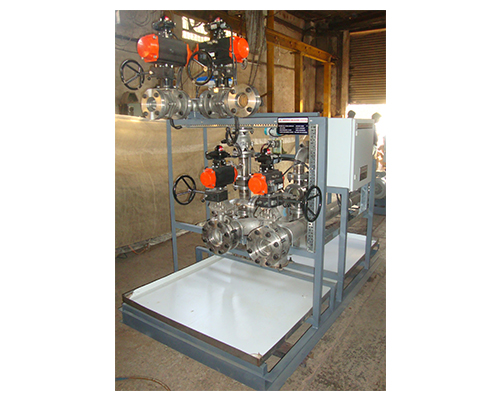
- Fabrication and Supply of whole system including unloading and Injection Skid
- Control Systems and Instrumentation
- Reagent Storage & Handling Systems
- Performance Validation and Commissioning Support
Technical Specifications
| Parameter | Specification |
| Reagents | Aqueous Ammonia / Urea |
| Operating Temperature | 850°C – 1100°C |
| Reduction Efficiency | Up to 70% – 80% NOx removal |
| Reagent Injection System | Multi-point / lance-based |
| Control System | PLC/DCS integrated with temperature and NOx sensors |
| System Capacity | Designed for any MW setups |
| Compliance | CPCB/CEA/Local Environmental Norms |
Industries Served

Power Generation (Thermal & Biomass)

Cement & Lime Kilns

Iron and Steel Plants

Waste-to-Energy and Incineration Facilities

Petrochemical Furnaces
© Copyright – Vel Innovative Technologies Pvt Ltd – All Rights Reserved.
Designed & Developed by